
Healthy Eating Habits
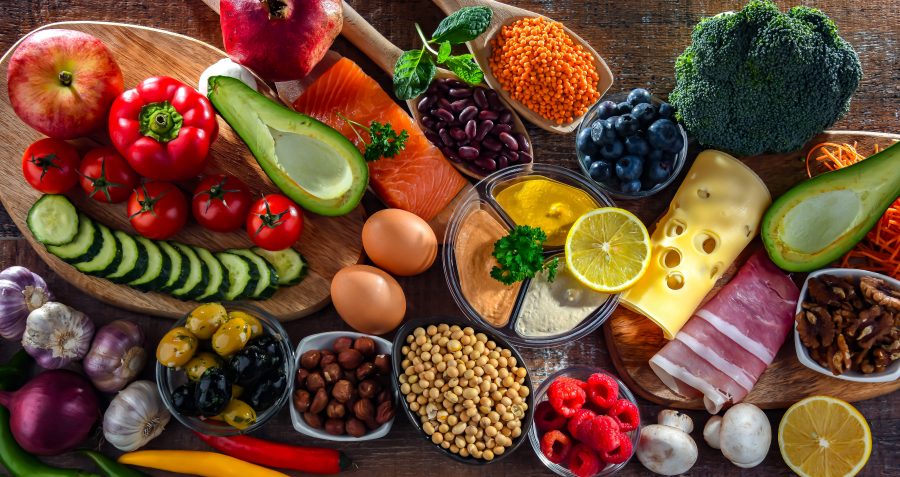 A s we move into 2026, more people are focusing on building healthier habits that support both physical and mental well-being. Healthy eating is no longer just about dieting or strict rules about balance, consistency, and making choices that help our bodies feel energized and strong. Along with good nutrition, daily habits like staying active, getting enough sleep, and managing stress play a huge role in overall health.
Healthy eating starts with understanding what our bodies need. A balanced diet includes fruits, vegetables, whole grains, protein, and healthy fats. Fruits and vegetables provide essential vitamins and minerals that support the immune system, while whole grains give long-lasting energy. Protein helps build and repair muscles, and healthy fats support brain health. In 2026, many health experts continue to encourage eating a variety of foods rather than cutting out entire food groups. This approach helps people develop a healthier relationship with food and avoid extreme habits.
Another important focus is reducing highly processed foods and added sugars. While these foods can be enjoyable in moderation, eating too much can lead to low energy and long-term health problems. Choosing more whole and minimally processed foods—such as fresh produce, yogurt, nuts, beans, and lean meats—can make a big difference over time. Drinking enough water is also essential, as hydration supports digestion, concentration, and physical performance.
Healthy habits go beyond what’s on your plate. Regular physical activity, even something as simple as walking or stretching, helps improve mood and heart health. Sleep is another key habit often overlooked. Getting enough sleep allows the body and brain to recover, improving focus, memory, and emotional balance. As life becomes more digital in 2026, setting limits on screen time and making room for rest is more important than ever.
Mental health is also closely connected to healthy habits. Eating regular meals, staying active, and getting enough rest can help reduce stress and improve emotional well-being. Practicing mindfulness, spending time outdoors, and maintaining social connections are habits that support both mental and physical health.
Overall, healthy eating and habits in 2026 are about progress, not perfection. Small, realistic changes, like adding one more vegetable to a meal, drinking more water, or going to bed a little earlier can add up overtime. By focusing on balance and consistency, people can build habits that support a healthier and more confident future.
Helpful Resources
ChooseMyPlate (USDA) – Simple guides for balanced meals
https://www.myplate.gov
Centers for Disease Control and Prevention (CDC): Nutrition – Evidence-based health information
https://www.cdc.gov/nutrition
World Health Organization (WHO): Healthy Diet – Global health guidance
https://www.who.int
Academy of Nutrition and Dietetics – Articles written by registered dietitians
https://www.eatright.org
KidsHealth (Nemours) – Teen-friendly health and nutrition info
https://kidshealth.org
Lexington Human Services Department-connects residents to resources, programs, and services that promote health and well-being.
https://lexingtonma.gov/316/Human-Services
Family Matters columns are presented to the Lexington community through a collaboration with the Lexington Human Services Department/Youth Services and the Lexington Times Magazine. Information provided in these columns is general in nature and not intended to substitute for individualized professional advice. See a professional for any concerns you may have about this topic or any others in a Family Matters column.