
Telling Their Stories: Ana Hebra Flaster and Ted Page read from their books at Cary Library April 13
Both authors will read from 7:00-8:00 PM at Cary Library, with a book signing to follow.
What do two books, one on the impact of Cuba’s revolution in the 1950s and one about being a good grandpa have in common? Two authors will be at Cary Library on April 13 to talk about their own individual journeys writing these books and the writers group that helped them along the way.
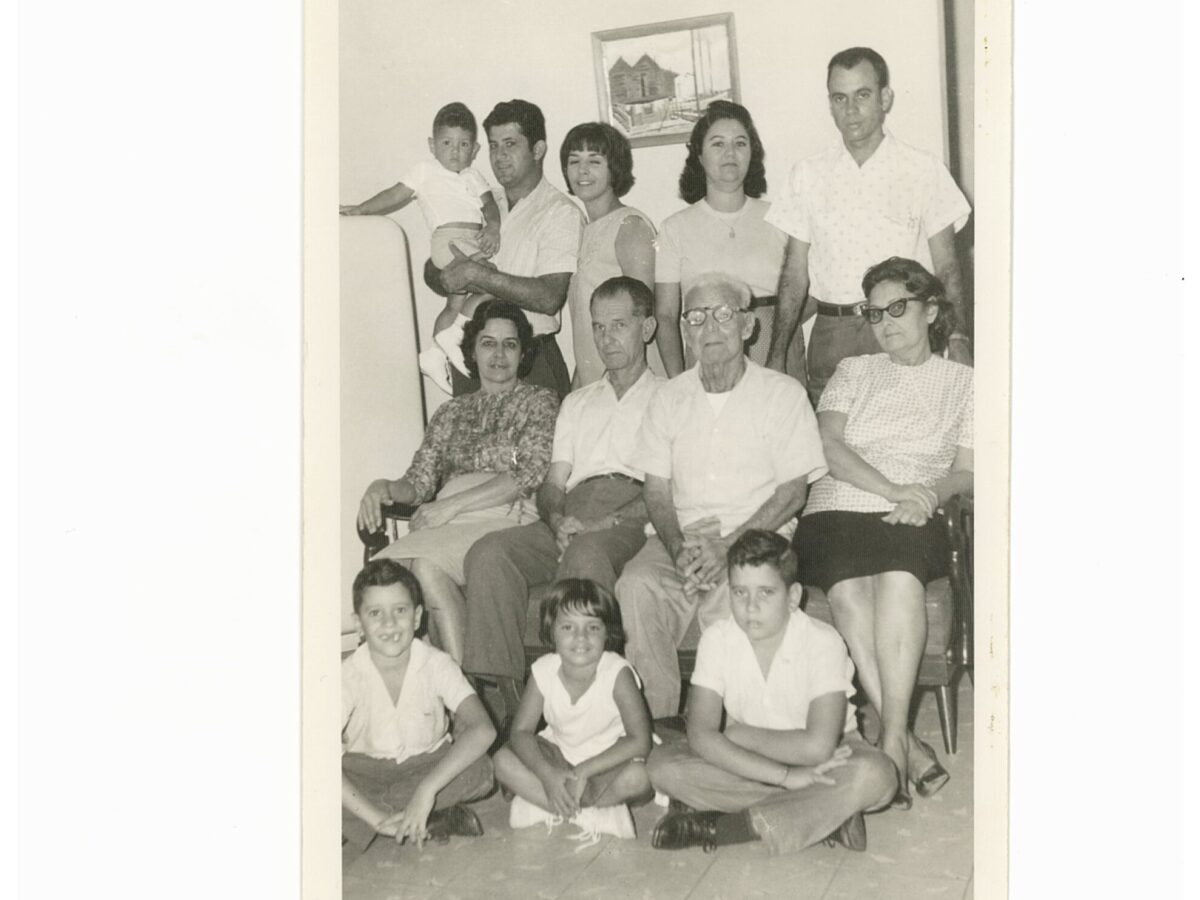
Flaster starts by painting a picture of life in Cuba in the 1960s, as her family becomes disillusioned with the Revolution they had supported in the 1950s. She says, “This is a home, a barrio where four generations of both sides of my family live…You have to understand the complete upheaval that it means, as a six-year-old to come home see a guard at the door, get kicked out of the house, and two weeks after that, end up in a snowed-in New Hampshire, in a classroom where you don’t speak English. There’s no English-as-a-Second-Language. Nobody in the house even understands how to dress for the cold.”
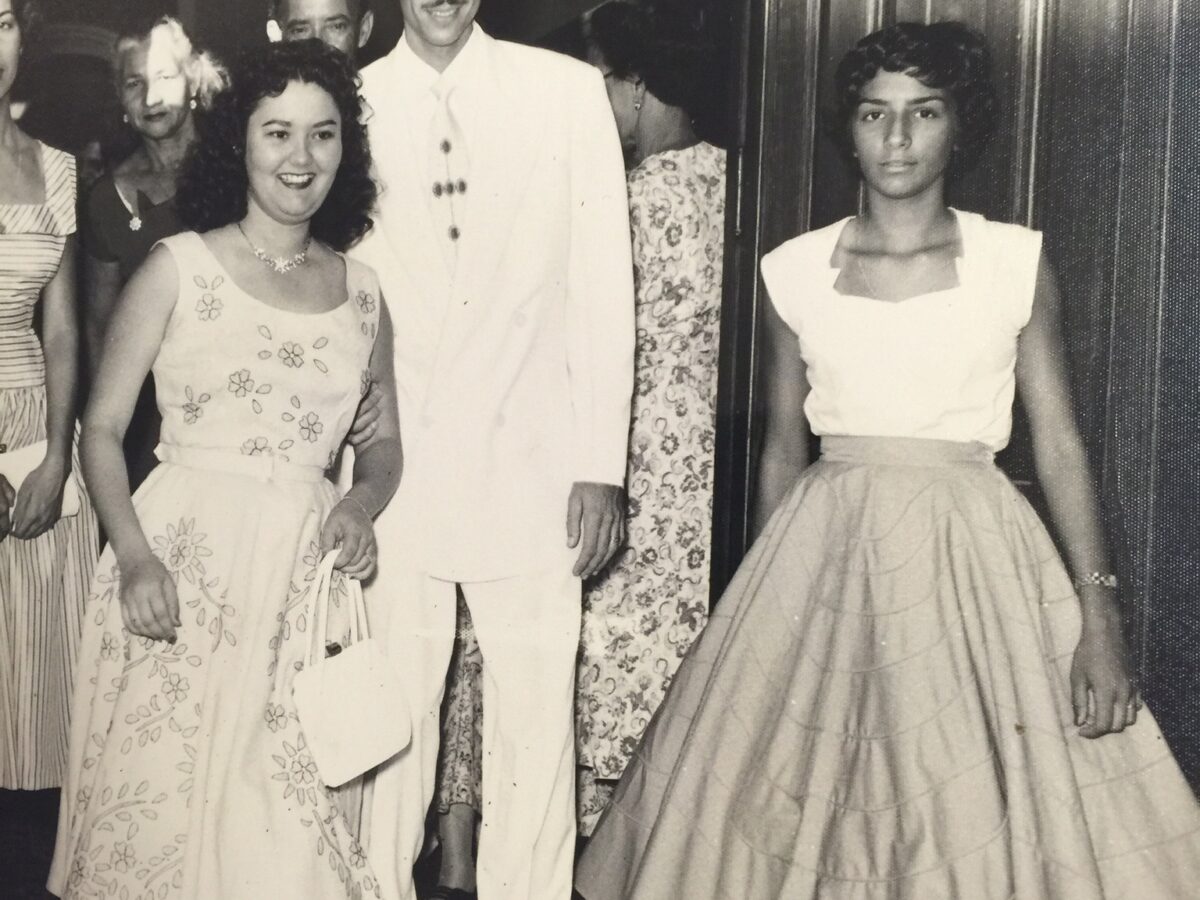 TÃa and TÃo (my aunt and uncle) on their wedding day, with Ana's mother on the right. Courtesy of the Hebra Family
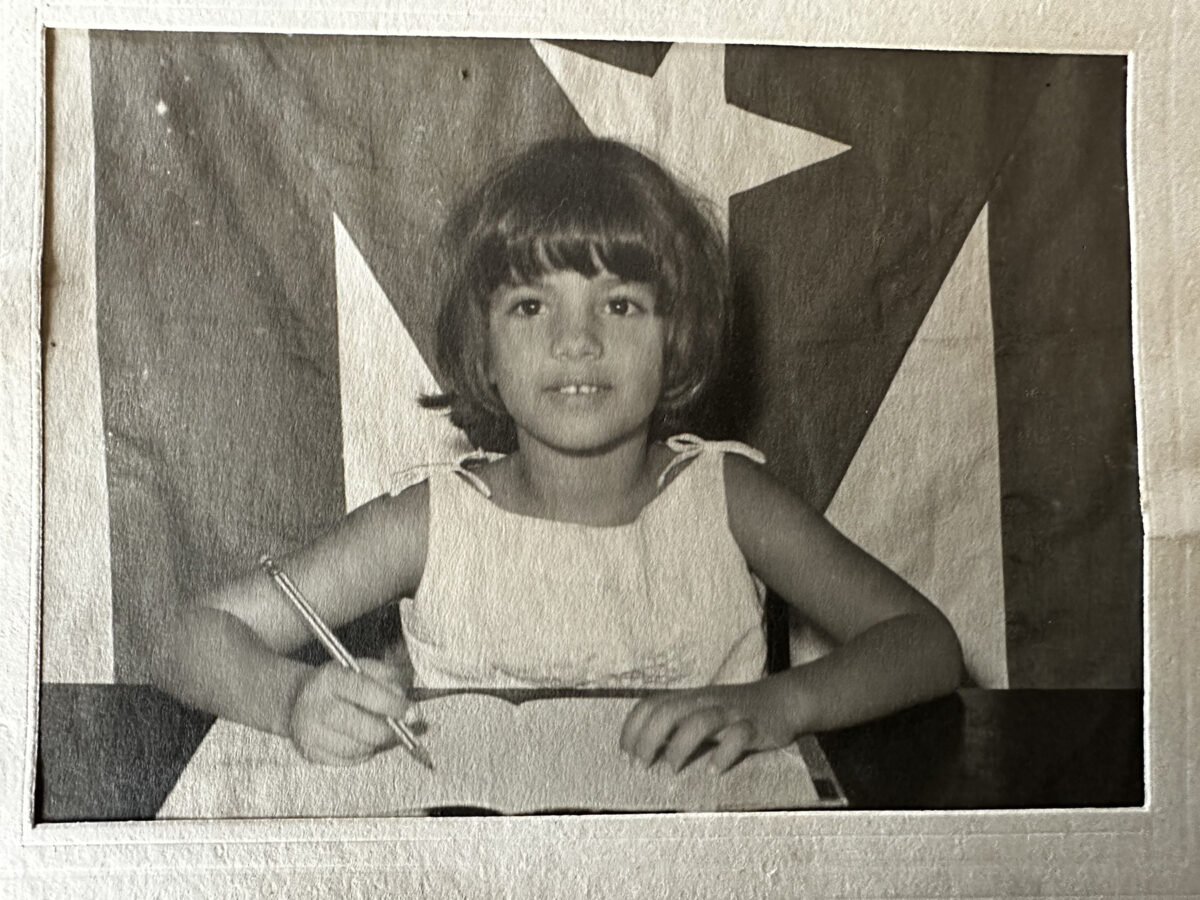
Flaster says her title emerged from a conversation with “another Lexington writer, Marjan Kamali, who has written wonderful books about Iran (whose) history, in many ways, is so similar to Cuba’s…I was telling her about the scene of the banner being slapped across the door, the sound of the slapping, and how it stuck with me, and how I always wonder what that banner meant, ‘Property of the Revolution,’ and she said that would make a great title.”
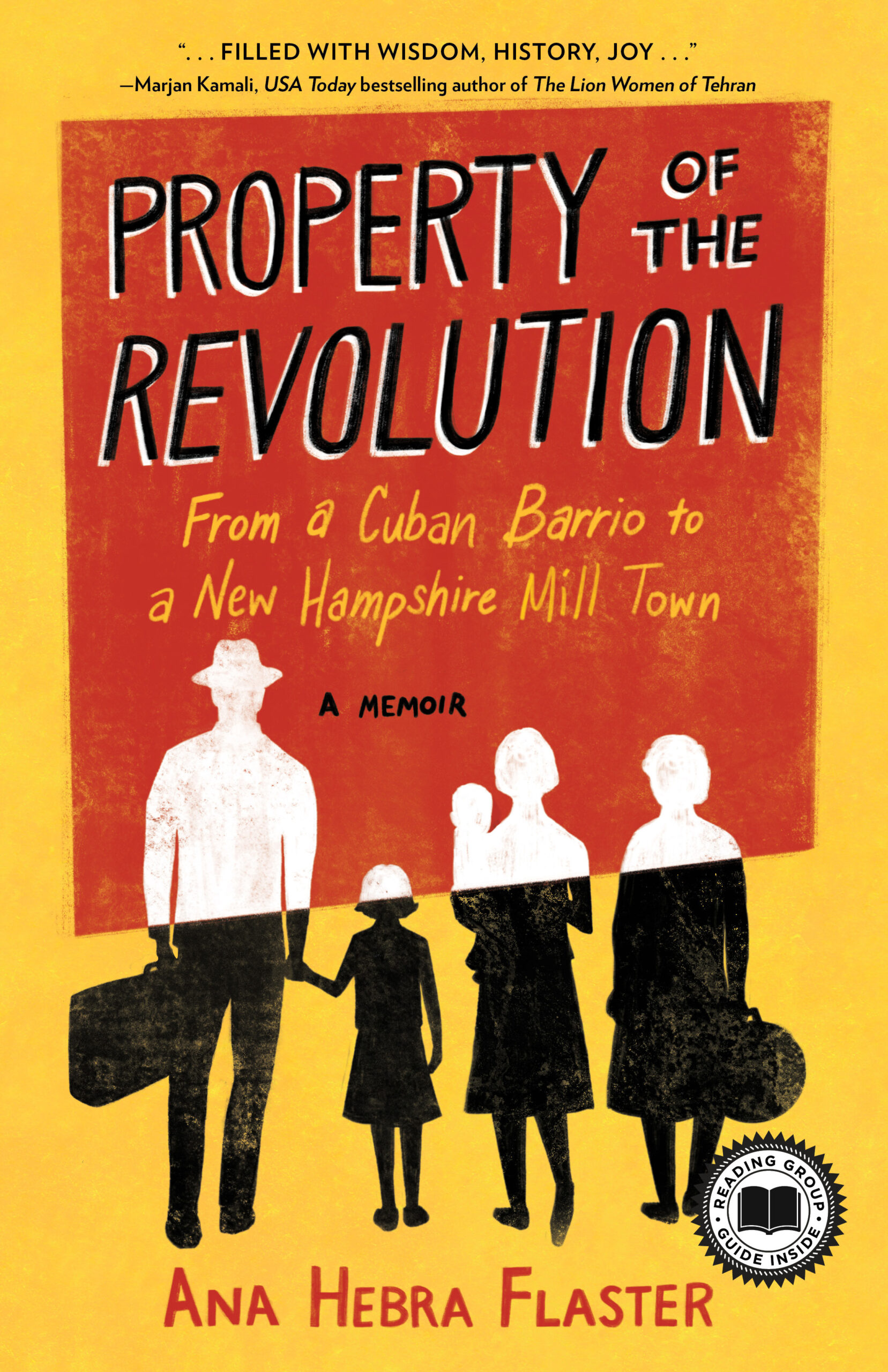
In a way Flaster says, “I’ve been writing this book my whole life.” She explores what she calls the “long reach of refugeedom.” It was only much later that Flaster realized how much this experience had affected her.
She began writing off and on around 2010, and also joined Souled Out Artists, a group for musicians, writers and other performing artists. Flaster describes the founder: “The late and great Anthony Martinetti started this writers’ group, around 2009, and I had been doing NPR (National Public Radio) pieces. He just was so honest with what he wrote about. He wrote about very difficult, personal, emotional things. And I (with) my journalistic background, I didn’t delve into that very often, and he encouraged me to write about some really difficult scenes that are in the book, and I don’t think I would have even known to explore those scenes if Anthony hadn’t pushed me.”
She says, “And then the group itself was just this motley crew of very funny, creative writer types that were generous enough to help each other.”
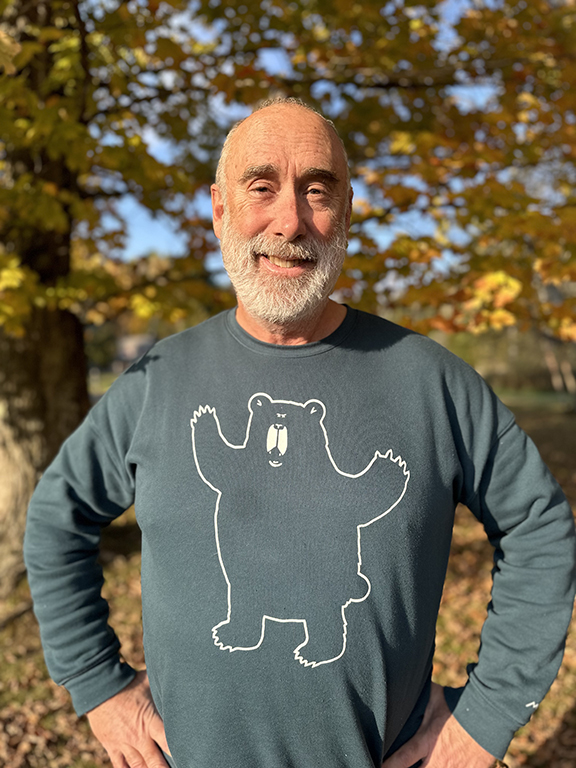
This was where she met author Ted Page. Page, a writer from Lexington who published Good Grandpa also in 2025, said, “When I became a grandfather at the tender young age of 55-years-old, I was delighted, but also felt like I’d been brought into a club that I wasn’t entirely ready for, if that makes sense, because when I knew my grandfather, he was pretty old, at least in my mind.”
It turns out the seeds of his book, like Ana Hebra Flaster’s, were planted in childhood. Page grew up in Lexington with his grandparents living across town. He says, “My Gram and Gramp were such a huge part of my childhood, and teenage years in particular. My Gramp had made such an impression upon me. He was a World War I pilot. He was one of the first pilots in history who did aerial reconnaissance. In France, he took photographs of the enemy lines. And so, here is a 15-year-old looking at photos taken from his (grandfather’s) plane of the Battle of Verdun. You can imagine the impact of that, but also just a million other things that he taught me…he was a storyteller. I picked that up from him.”
So when Page was about to be a Grandpa himself, he did a little online research. He was less than impressed. What he found was either nothing or references to the movie out around that time, “Bad Grandpa.”
So Page said he started with what he knew best from his own experience writing and in online marketing. He says, “I love comedy. I’ve worked with comedy stars like John Cleese through my job, but I just didn’t know how to navigate all this stuff (grandparenthood). There’s no guidebook, and there’s no stories out there, so I started a blog called “Good Grandpa,” and that’s when things got a lot more interesting. When the blog was picked up by the New York Times, I just had a lot of emails from people so things picked up pace.”
Of his book, Page says, “I wanted to bring the reader with me on my own kind of learning journey, as opposed to being prescriptive about things. I wanted something that had classic storytelling.”
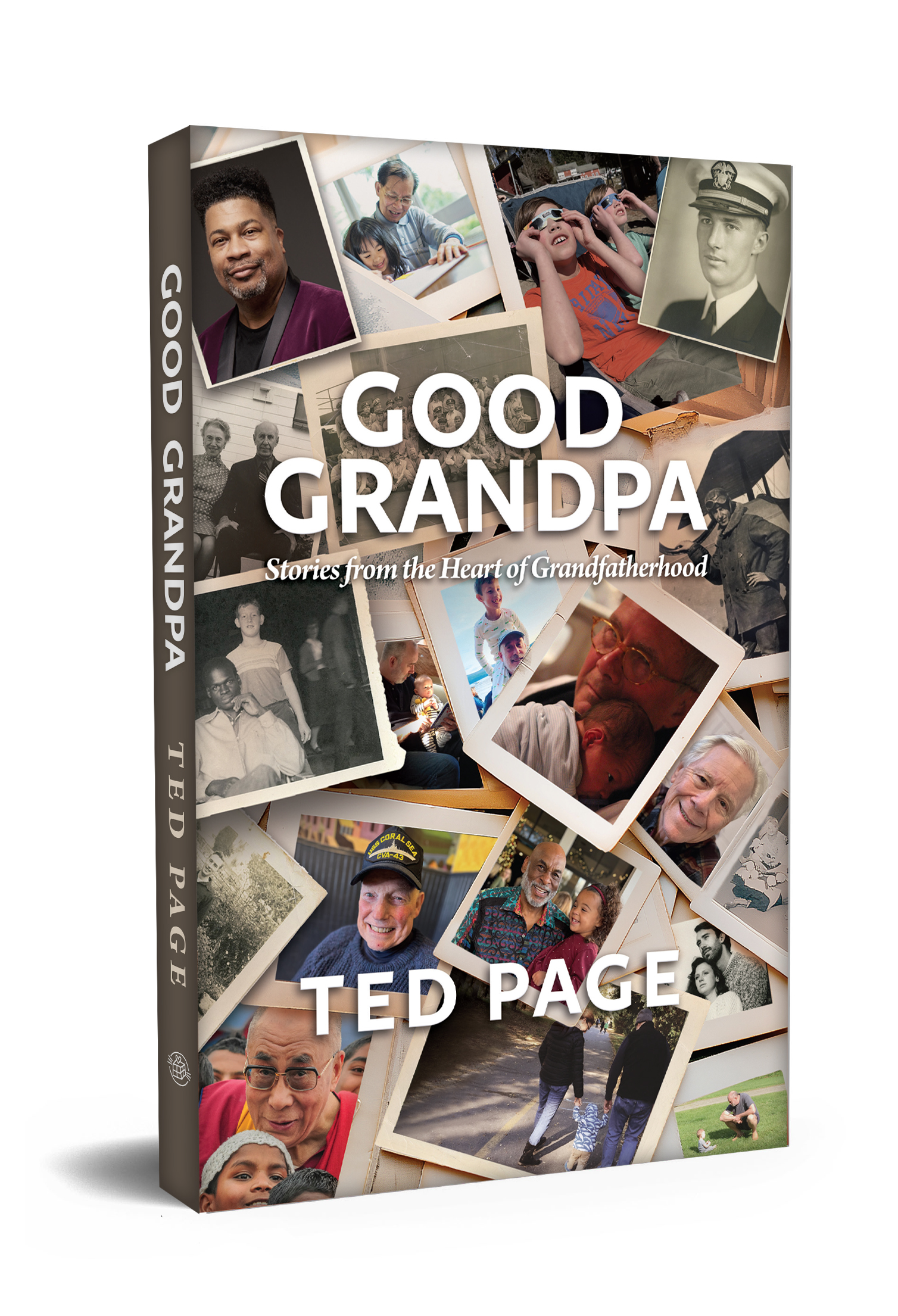
So Page reached out to everyone he could think of, from religious figures from Christian, Jewish and Muslim faiths, former military leaders, even his Aunt Lois. He got an emailed response from the Dalai Lama. Page’s takeaway: “You know, most profound ideas are expressed in the fewest words,” such as, “Be kind.” He says the other one he “heard from Tom Brokaw, (whom) the book is dedicated to, is that you’re going to have some really tough challenges in your life, but you’re going to get through. It didn’t occur to me till I was done with the book, how synergistic those two ideas are. It’s all those people in your life you’ve been kind to who come and help you when you need help, that’s what helps you survive. You know, it’s not some individual thing…we’re around because our ancestors were kind to people.”